Hair loss is one of the most common problems worldwide, which affects one-third of the population including both men and women. It is observed that men experience the problem of severe baldness or receding hairlines in their early 30’s, for which, there are certain types of medications and expensive hair loss treatments prescribed by the hair specialists but ‘Finasteride’ has been considered as the most effective drug for this problem till date. Finasteride (Finpecia) is an oral medication used to treat men with benign prostatic hyperplasia (BPH) caused by an enlarged prostate, which actually leads to abnormal hairfall in them.
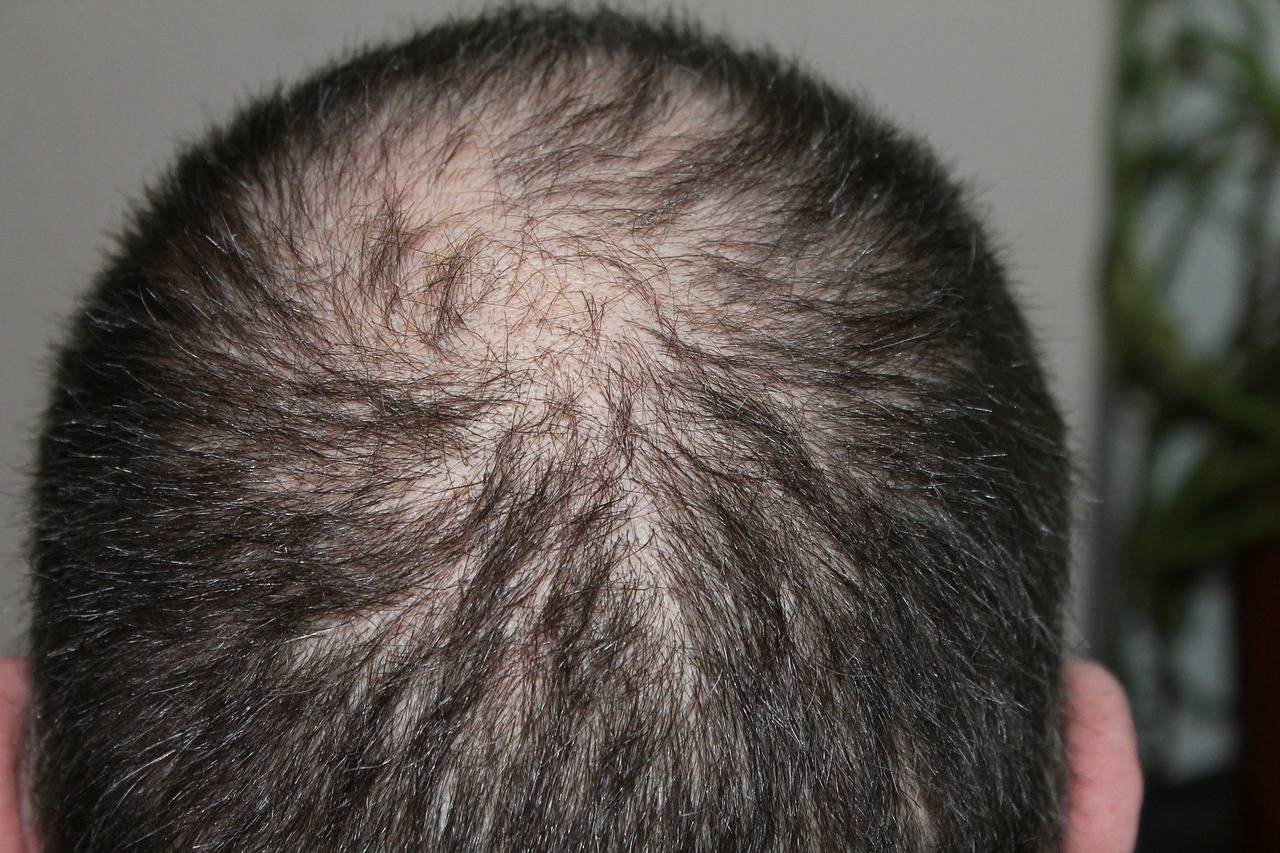
But before you switch to this medicine, it is important to clear some commonly asked questions with respect to the usage of Finasteride for hair loss problems. For, incomplete information can be dangerous. So here’s all that you must know before treating your hair loss with Finpecia.
1.Does Finasteride help hair growth?
Finasteride mechanism of action is based on its preferential inhibitions and it is considered as an effective way to prevent your hair from thinning because it prohibits the conversion of testosterone into DHT (dihydrotestosterone) and increases the growth of hair on the crown and scalp area. Finasteride is one of the few hair loss treatments to be clinically tested, FDA approved and proven beneficial for more than 85% of the cases. Also, 65% of the men who take finasteride have experienced noticeable regrowth of hair over the course of just three months.
Similar Link: Receding Hairline: The result of taking Finasteride
2.Can Finasteride cause cancer?
According to researchers, Finasteride does not cause cancer instead it reduces the risk of prostate cancer among men. Finasteride improves the discovery of cancer in biopsies and screens, including the detection of high-grade cancer and also helps in the eradication of the same at an early stage. Not only this, this drug has a long-term protective effect against prostate cancer and do not cause any serious side effects.
3.What happens when you stop taking Finasteride?
Obviously, you cannot suddenly stop any medication because it will have a harmful impact on your overall health, bringing you back to the initial stage of your problem. So it is advised that you stop Finasteride step by step, decreasing the dosage week after week with proper consultation from the physician. Once you stop taking Finasteride, the dose of the medication that’s active in the body will slowly decline until it’s completely excreted because Finasteride isn’t a lifetime cure it’s just a continuous treatment for hair loss problems.
4.Do Finasteride side effects go away?
The side effects of a medication usually start vanishing when you discontinue it. Major side effects of Finasteride include decreased libido, erectile dysfunction, ejaculation disorders, male infertility, poor seminal quality, and disturbed sexual function, but many researchers have proved that these sexual side effects are reversed when the drug is withdrawn.
5.What is the best time of day to take Finasteride?
Finasteride is an oral tablet which can be taken any time during the day- morning, evening or even at night, but make sure that you take Finasteride at the same time every single day to maximize its effectiveness. You can even take the tablet on a full or an empty stomach once a day since the general starting dose for the treatment of hair loss is 1mg a day, which won’t cause any major problems.
Read More: Significance of Tadalista in treating Erectile Dysfunction
Concluding Lines: Undoubtedly, the benefits of Finasteride outweigh its side effects and it is definitely considered as an effective way to treat male pattern baldness and has helped countless men in the fight against hair loss. However, one must buy finasteride only after consulting the medical practitioner and getting a proper prescription for the dosage level of the same.
 Pharmacy2Home Official Blog